
How Content Creators and Streamers Use Referral Tactics to Grow Their Audience
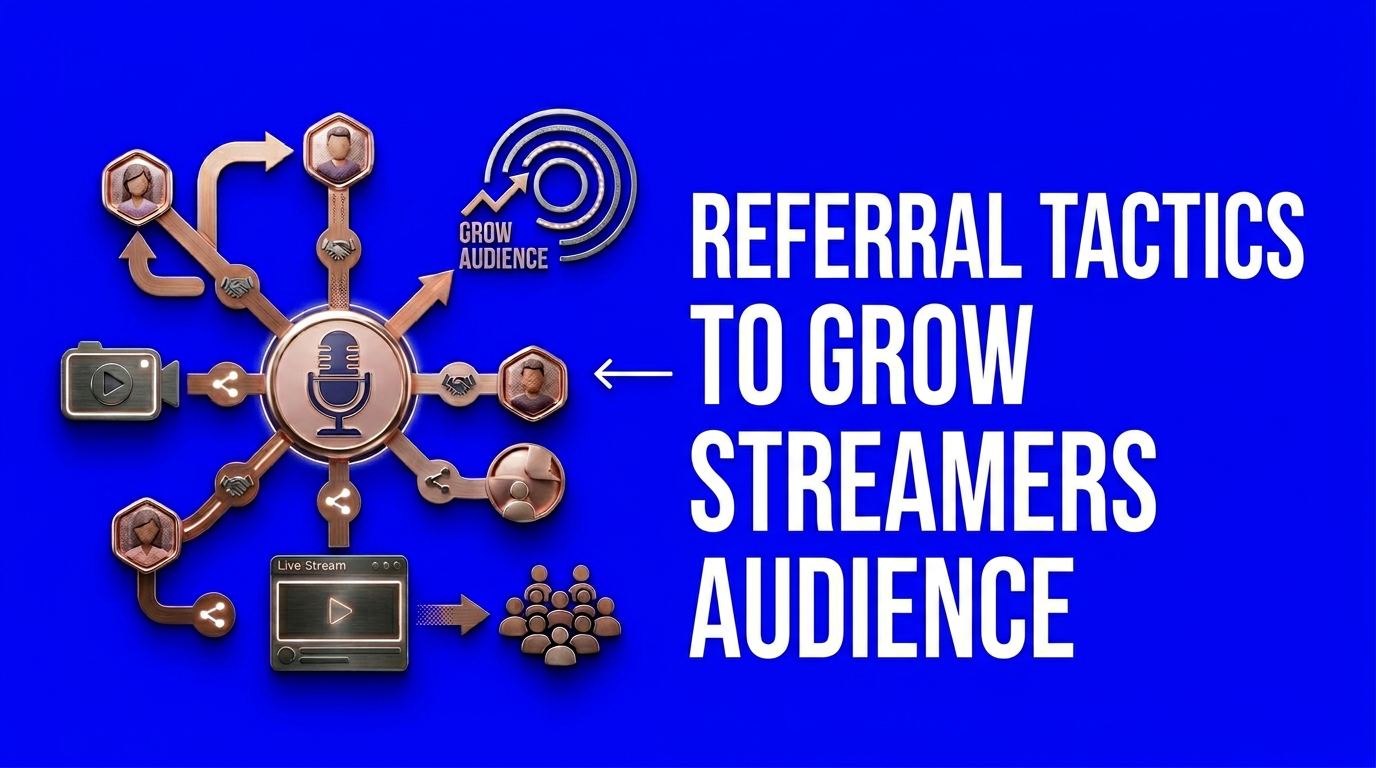
For streamers and content creators, growth rarely comes from algorithms alone. Some of the strongest audience gains happen because one person tells another person, “You should watch this creator.”
That is word-of-mouth. In creator terms, it can look as simple as a viewer sharing a stream link in a group chat, posting a clip on social media, inviting a friend into Discord, or recommending a favorite streamer during a live conversation. It may not always be labeled as a referral, but functionally, that is exactly what it is: trust-based audience growth driven by existing fans.
For creators, that kind of growth matters because it brings in warmer viewers. People who arrive through a recommendation are often more likely to watch longer, engage in chat, follow, subscribe, and return for future content. They are not discovering a random stream in a crowded feed. They are showing up with context and interest already built in.
For creators who want to formalize audience-driven growth, exploring refer a friend program ideas can be a practical next step—especially for those selling merch, memberships, or digital products and looking for simple ways to reward loyal supporters for bringing in new customers.
Why Word-of-Mouth Matters for Streamers
Creators operate in a crowded attention economy. Viewers can scroll through thousands of channels, clips, and posts in a single session. In that environment, personal recommendations cut through noise better than most promotion tactics.
A viewer may ignore an ad, skip a promoted post, or forget a notification. But if a friend says, “This streamer is hilarious,” or “You’d love this community,” that message lands differently. It feels more credible because it comes from someone they already trust.
That is why referrals work so naturally in creator ecosystems. A shared stream is not just a link. It is a social signal. It tells a potential viewer that this content is worth their time.
For streamers, this matters beyond vanity metrics. Referred viewers often arrive with stronger intent. They are more likely to participate, not just lurk. They may join community spaces faster, respond better to recurring formats, and stick around because they were introduced through a relationship rather than chance.
In other words, word-of-mouth does not just increase reach. It can improve audience quality.
Referral Tactics During Live Streams
The best referral tactics for creators do not feel like corporate marketing. They feel like community participation. Live content gives creators a unique advantage here because they can prompt sharing in real time, turn it into an event, and reward the audience without making it feel transactional.
One common tactic is using giveaways with share-based actions. For example, a creator can run a stream event where viewers enter by sharing a link to the live session, tagging a friend in a post, or inviting someone new to watch. This works best when the ask is simple and the reward feels relevant to the audience—such as gifted subs, exclusive community perks, digital downloads, or merch discounts. Cloud-based tools like LiveReacting make this easy to set up: viewers enter by commenting, entries are auto-collected, and winners are drawn randomly during the broadcast — no extra software needed.
Loyalty systems can also reinforce referral behavior. Many creators already reward repeat viewers with points, badges, or rank-based perks. Adding “invite” or “share” actions into that system makes referrals feel like a natural extension of existing engagement. A regular viewer is not being asked to do something foreign. They are just earning recognition in another way.
“Bring a friend” streams are another strong option. These can be framed as themed events, collaborative game nights, Q&A sessions, or community challenges designed to be more fun with extra people involved. Formats like live trivia and polls naturally encourage this because the experience is better with more players competing. The creator can directly encourage viewers to invite one new person and make the event feel like a shared occasion rather than a growth hack.
Interactive challenges also work well. A creator might set a milestone such as unlocking a bonus segment, extra gameplay, behind-the-scenes content, or a special reaction if the community helps bring in a certain number of new viewers. The audience becomes part of the growth moment itself, which can make sharing feel rewarding before any formal prize is even introduced.
The numbers back this up. Betclic France ran a Last Comment Game during a live stream and generated 100,900 comments and 22,000 shares — each of those shares acting as a personal referral to someone new. Air Asia used live trivia during their #AirAsiaBIGSale and saw 60x more comments and 100K views. InfinitePay hit 900 concurrent players and 12K views in a single hour with a YouTube trivia stream. These are not hypothetical scenarios. They are real examples of interactive content turning viewers into active promoters.
The key is that live referral prompts should match the energy of the stream. They should feel playful, social, and community-led—not like a stiff sales pitch dropped into chat.
Growing Your Community Off-Stream
Referral growth does not stop when the stream ends. In many cases, off-stream touchpoints are where creators turn casual viewers into a more durable community.
Post-stream emails are one simple example. Creators with newsletters, membership lists, or course audiences can send follow-up emails that include highlights, upcoming stream schedules, and easy share links. A message like “Missed tonight’s best moment? Send this replay to a friend” is more natural than a generic “refer someone now” CTA. It keeps the ask grounded in content.
Discord is another major referral channel for creators. A well-run Discord server can become a strong growth loop if viewers are encouraged to invite others into the community. Referral-style incentives here do not need to be overly complicated. They can include access to a special channel, entry into a members-only event, or a temporary perk for helping the server grow with quality new members.
Short-form clips also play a major role in off-stream referrals. A viewer may not send someone a full VOD, but they will share a funny moment, a strong opinion, a surprising play, or a useful tip. These clips act as low-friction recommendation tools. They are easy to repost on social platforms and easy for new viewers to consume quickly. For creators, that makes clips one of the most practical word-of-mouth assets they can produce.
Creators can also keep shareable content circulating by streaming pre-recorded videos as live. This lets them resurface best moments, run highlight loops, or maintain an always-on presence even when they are not actively streaming — giving viewers more opportunities to discover and share content.
The best off-stream referral tactics work because they make sharing feel effortless. Instead of pushing viewers toward a formal program, they give them content and community moments worth passing along.
Referral Programs for Creator Businesses
Many creators are not just building audiences. They are building businesses around those audiences. That can include merch, digital products, paid communities, online courses, coaching, memberships, or subscription-based content.
In those cases, more formal referral setups can make sense.
A creator selling merch might offer a friend-to-friend discount code that rewards both sides. A course creator might give an affiliate-style link to loyal students or community members. A membership-based creator may offer a free bonus month, exclusive content unlock, or private event access when a subscriber brings in someone new.
The important part is keeping the referral structure simple and aligned with the creator’s brand. A small creator business usually does not need a complex enterprise system on day one. It needs a clear offer, easy sharing, and basic tracking.
There are multiple ways to handle that. Some creators use built-in referral or affiliate features from course, commerce, or membership platforms. Others use lightweight tools that generate trackable share links. For creators who want a more structured referral experience, platforms like Mention Me can be one option among broader referral tools, especially when the business side of the creator brand is becoming more established.
What matters most is context. Referral mechanics should support the creator’s actual revenue model, not distract from it. A merch shop, a paid community, and a digital course may all use referrals—but the reward, message, and timing should look different for each.
Measuring What Works
Creators do not need enterprise analytics to understand whether referral tactics are helping. A few practical signals can show what is working.
Referral clicks are the first thing to watch. If viewers are sharing links, invite codes, or clips, are people actually clicking through? That gives a basic read on whether the content or CTA is compelling enough to drive action.
Next comes new viewer retention. It is not enough to get someone to visit once. Did they stay for a meaningful amount of time? Did they follow, join chat, return for another stream, or enter the creator’s community spaces? That tells you whether your referrals are bringing the right people, not just random traffic.
Community growth is another useful marker. That can mean Discord joins, newsletter signups, subscriber increases, repeat chat participation, or growth in paid memberships. If those numbers rise after specific share-driven campaigns or community events, the referral tactic is probably doing real work.
Creators can also compare formats. Did “bring a friend” streams lead to better retention than giveaway-driven shares? Did short-form clips bring in more returning viewers than post-stream emails? That kind of lightweight comparison helps creators refine what fits their audience instead of copying tactics that only look good on paper.
For reference, brands using interactive live stream formats have seen engagement increases ranging from 3x to 350x compared to standard broadcasts. Those numbers show what is possible when content is designed to be shared, not just watched.
Growth That Feels Native to Creators
For streamers and content creators, referral growth works best when it does not look like traditional referral marketing.
It looks like a fan sharing a clip because it made them laugh. It looks like a regular viewer inviting someone into a live event. It looks like a Discord member bringing in a friend who ends up becoming part of the community. And for creators with products or memberships, it can also look like a simple, well-placed referral offer that rewards loyal supporters for spreading the word.
The common thread is trust. Creator growth is strongest when audiences feel they are recommending something worth belonging to.
That is why word-of-mouth remains so powerful in streaming and content creation. The platforms may change, the formats may evolve, and the algorithms may stay unpredictable—but people still trust people. For creators, that makes referral-driven growth one of the most practical and sustainable ways to build an audience that actually sticks.
Transform Your Live Streams with LiveReacting
Join 10,000+ streamers who are boosting engagement and viewership by adding pre-recorded videos, games, polls, and countdowns to their streams.
Try LiveReacting for free today and take your streams to the next level!